
(The Two Cultures)
The two cultures as defined by C.P. Snow in his book, The Two Cultures and the Scientific Revolution, is the rift between scientists and non-scientists. This divide pits these two groups agains each other. Snow expresses that the "polarisation is a sheer loss to us all" because it doesn't allow for collaboration between the two groups (Snow 12). He strongly believes that the separation during the late 1960s is "much less brideable among the young than it was even thirty years ago" (Snow 19). Despite his book being written over 70 years ago, this situation still exists today.
Professor Vesna states that there is still this gap that exists between these two cultures (Vesna 122). However, there the usage of technology and art today that allows for the bridge to be formed as artists use techniques closer to scientists to create their art. This presents more and more similarities between the two cultures. Similar to Snow, Professor Vesna presents the problem originating from universities (“TwoCultures part1” 2:58). Education was and is too specialized that leads to this split in the two cultures.
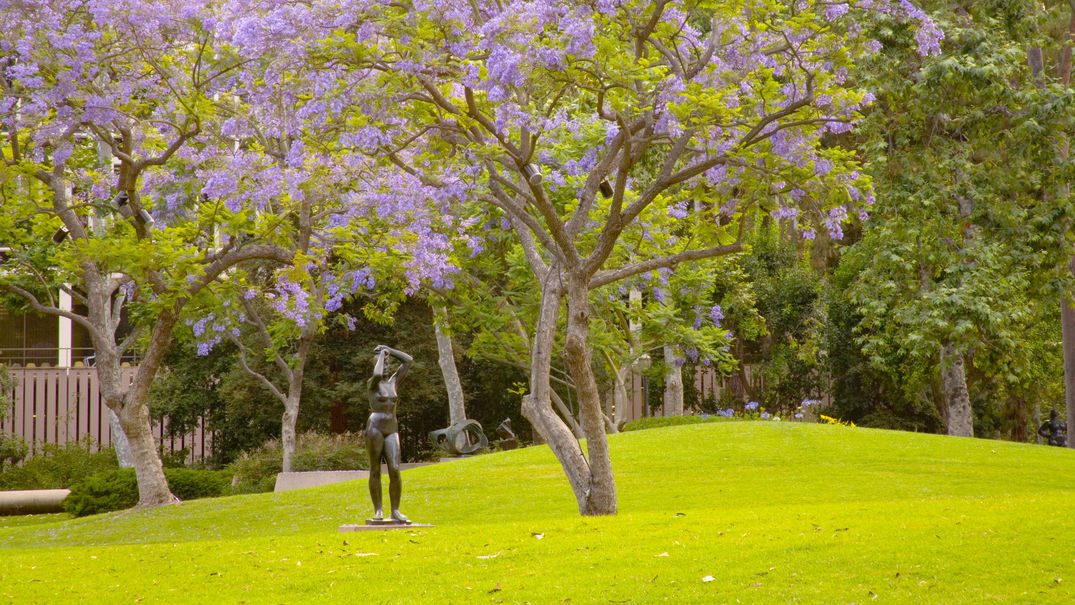
(Franklin D. Murphy)
These cultures are very apparent in UCLA’s majors and in the geography of the campus itself. North campus is a representation of the humanities majors and south campus represents STEM majors. As a student walks from one side to the other, even though there is no physical barrier between the two campuses, there is a feeling that the atmosphere has changed (Jung). The buildings change as well where the north campus buildings are considered aesthetically prettier than the southern buildings (“TwoCultures pt3” 1:05).
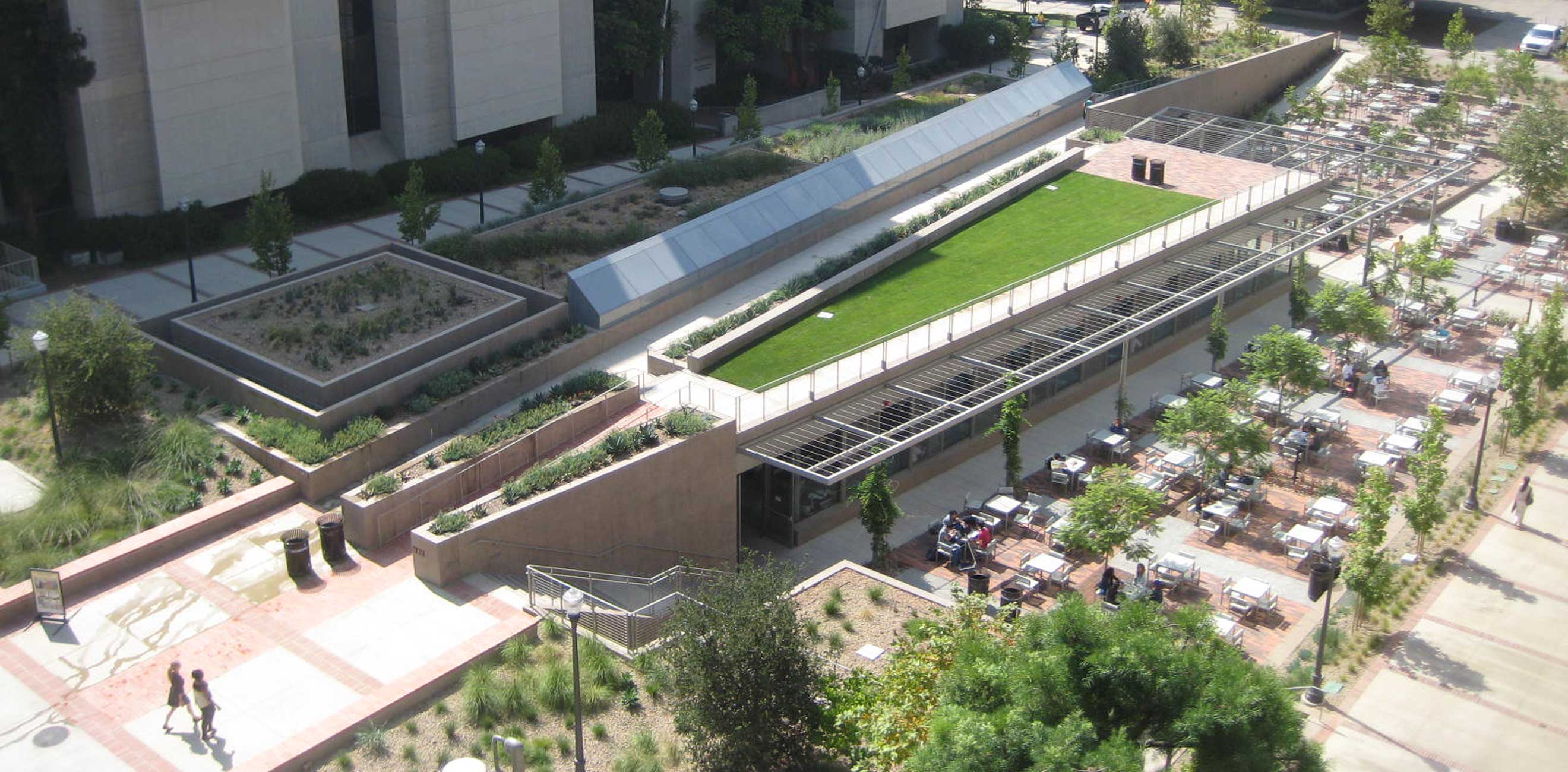
As an economics major, it felt as if I don’t really belong in the conversation between north and south campus majors being a major that is physically located in the north side, but is categorized as a STEM south campus major. I had already felt these feelings prior to learning these perspectives presented by Snow and Vesna. I believe that universities can play a part in changing its curriculum to create a more interdisciplinary education that can help create the bridge between the two cultures. Rather than be stuck with one mindset, such as having only one major, this is a good reminder to keep in mind the importance of interconnectedness the world requires. This will help with idea creation moving forward to tackle problems together as scientists and nonscientists together.
Franklin D. Murphy Sculpture Garden. Hammer, hammer.ucla.edu/collections/franklin-d-murphy-sculpture-garden.
Jung, Justin. "A Campus Divided." Prime, Daily Bruin, 2021, prime.dailybruin.com/justinnorth&southcampus/.
Snow, Charles Percy. The Two Cultures and the Scientific Revolution. The Syndics of The Cambridge University Press, 1959.
The Two Cultures: And a second Look. Amazon, www.amazon.com/Two-Cultures-second-Look/dp/B0014PD59S.
"TwoCultures part1." YouTube, uploaded by UC Online, 30 Mar. 2012, m.youtube.com/watch?v=VNI7dF3DIAM.
"TwoCultures pt3." YouTube, uploaded by UC Online, 2 Apr. 2012, https://m.youtube.com/watch?v=4FOEuxrwxd0.
UCLA South Campus Student Center. landLAB, land-lab.com/project/ucla-south-campus-student-center/.


No comments:
Post a Comment